

Digital Welcome Guide: The New Standard for Hospitality
To begin
The hospitality industry is undergoing a major digital transformation. The welcome guide, once a simple paper document left in rooms, is evolving into an interactive and personalized digital experience. This revolution meets the expectations of modern travelers while offering numerous advantages to accommodation owners.

Casabee Team
Casabee Team
The Evolution of Welcome Guides: From Paper to Digital
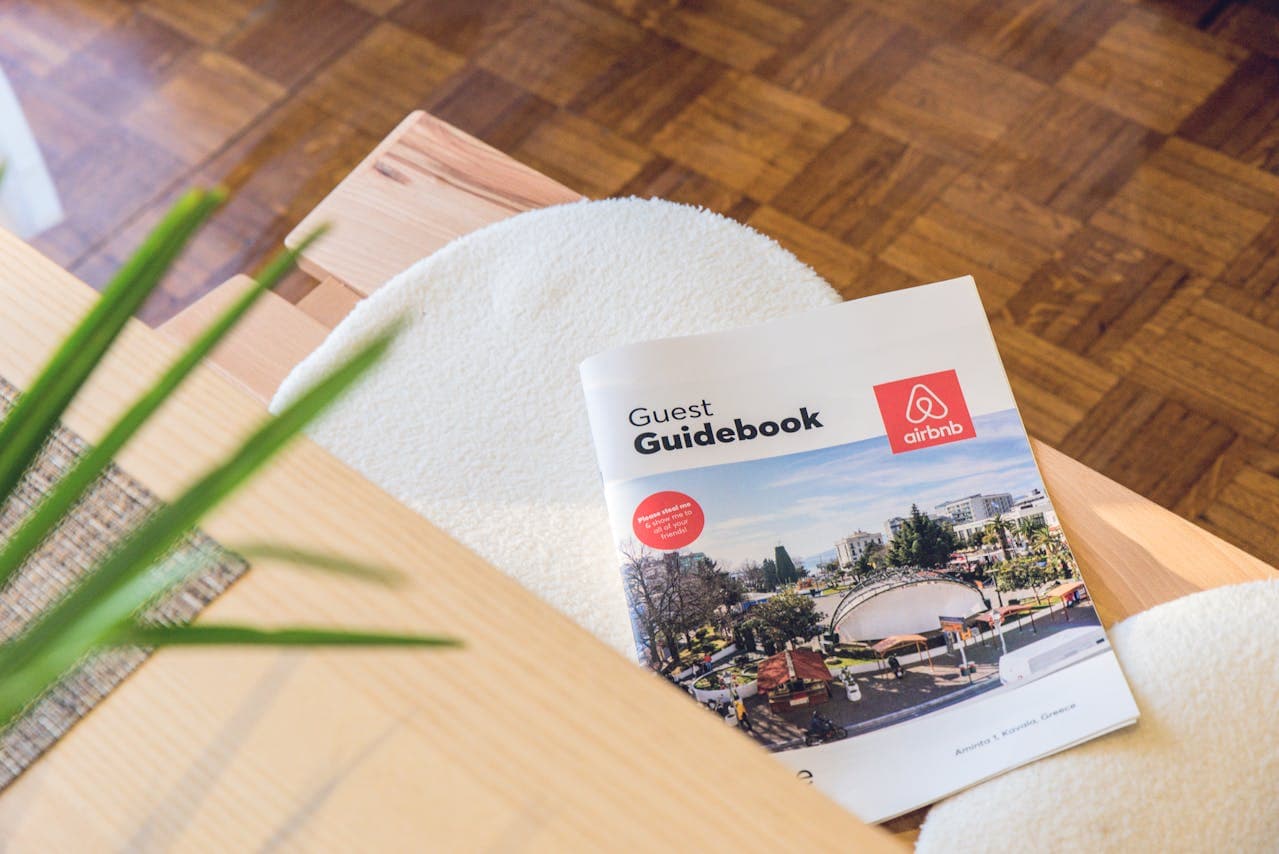
For decades, the paper welcome guide was the standard in hotels, guesthouses, and seasonal rentals. This document, often placed in the room or apartment, contained essential information: house rules, emergency numbers, WiFi information, and sometimes a few local recommendations.
However, this format had several limitations:
- Difficult updates : Changing information required printing new guides
- Printing costs : Regular printing represented a significant cost
- Environmental impact : Paper use contributed to deforestation
- Language limitations : Offering multiple languages multiplied printing costs
- Lack of interactivity : Impossible to include links, interactive maps, or online reservations
The shift to digital solves all these problems while offering a superior user experience.
Benefits of Digital Guides for Travelers
For travelers, the digital welcome guide brings many benefits:
Permanent accessibility : Available 24/7 on smartphone, tablet, or computer, the digital guide is accessible before, during, and after the stay. No need to search for a physical document that could be misplaced.
Automatic multilingual : Modern solutions offer automatic translation in multiple languages, allowing international travelers to easily understand all information.
Interactivity : Digital guides can include interactive maps, links to online reservations, QR codes for additional services, and even presentation videos.
Real-time updates : Information can be updated instantly. If a recommended restaurant closes or a new local event occurs, the information is immediately available.
Personalization : Some solutions allow content customization according to traveler preferences or the time of year.
Benefits for Accommodation Owners
Accommodation owners also derive many advantages from the digital guide:
Cost reduction : No need to regularly print guides. Savings are significant, especially for establishments with many rooms.
Time savings : Creating and updating a digital guide is much faster than managing a paper document. Changes can be made in a few clicks.
Automatic enrichment : Modern solutions like Casabee automatically enrich the guide with local events, nearby points of interest, and partner offers, without manual intervention.
Analytics and insights : Digital guides allow tracking which information is most consulted, helping owners improve their content.
Positive environmental impact : Reducing paper use contributes to the establishment's environmental responsibility, an increasingly important criterion for travelers.
Improved customer experience : A well-designed digital guide significantly improves customer satisfaction, resulting in better ratings and more bookings.
Modern Features of Digital Guides
Modern digital welcome guides offer features that were impossible with the paper format:
Geolocation : Automatic display of points of interest, restaurants, and services near the accommodation.
Event detection : Automatic integration of local events (concerts, markets, festivals) according to the stay period.
Integrated reservations : Ability to directly book services (restaurants, activities, additional products) from the guide.
Push notifications : Alerts for important events or useful information during the stay.
Offline mode : Some solutions allow downloading the guide for access without internet connection.
Easy sharing : Travelers can easily share the guide with their travel companions or consult it on multiple devices.
Growing Adoption in the Industry
Adoption of digital guides is accelerating in the hospitality industry. Major hotel chains were the first to adopt this technology, but today, small establishments, rural guesthouses, Airbnb rentals, and campsites are following suit.
This adoption is motivated by several factors:
- Traveler expectations : Travelers, particularly millennials and Generation Z, expect seamless digital experiences
- Competition : Establishments offering superior digital experiences stand out from the competition
- Profitability : Savings on printing quickly offset the cost of digital solutions
- Sustainability : Environmental commitment is becoming a selection criterion for many travelers
Platforms like Casabee facilitate this transition by offering accessible and easy-to-use solutions, even for non-technical owners.
How to Choose the Right Solution
Faced with the proliferation of digital guide solutions, here are the criteria to consider:
Ease of use : The solution must be intuitive and not require advanced technical skills.
Enrichment features : Look for solutions that automatically enrich your content with local events and points of interest.
Multilingual : Ensure the solution offers automatic translations in your main clients' languages.
Customization : The ability to customize the design and content according to your establishment.
Customer support : Good support is essential, especially at the beginning of adoption.
Price : Compare prices and ensure the solution offers good value for money.
Integrations : Check if the solution integrates with your other tools (booking system, CRM, etc.).
In short
The digital welcome guide is no longer an option but a necessity to remain competitive in the modern hospitality industry. It improves the traveler experience while reducing costs and environmental impact for owners. As more and more establishments adopt this solution, those who delay risk falling behind. The transition to digital is not only inevitable but also beneficial for all stakeholders.